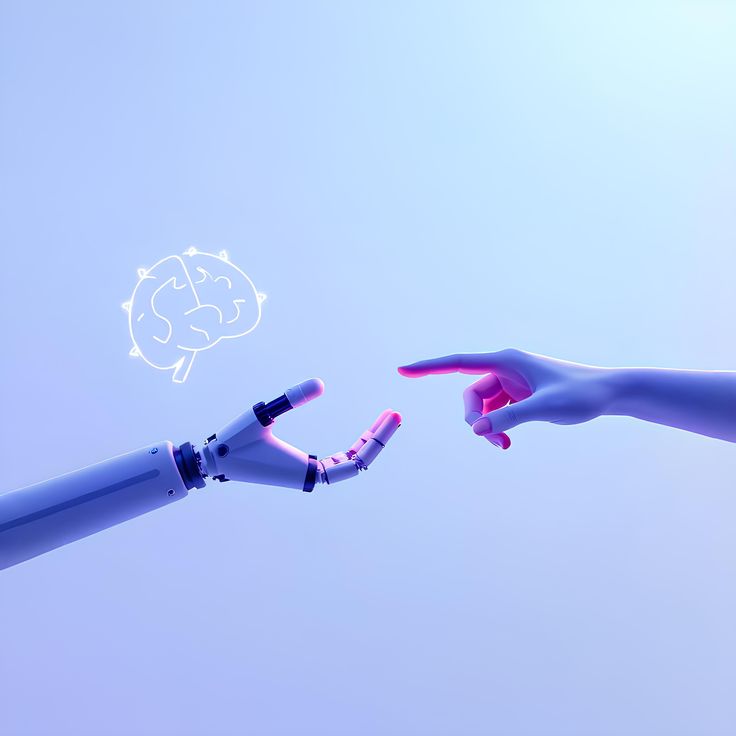
Artificial Intelligence (AI) has gone through a remarkable journey — from abstract theory to everyday reality. In just a few decades, we’ve seen AI move from early algorithms and clunky robots to language models, self-driving cars, and creative tools that are transforming industries.
The Early Days: Data and Decisions
AI started with simple rule-based systems that could play games like chess or automate small tasks. These systems were powerful but rigid — limited by how much logic could be explicitly programmed into them. The turning point came when machines learned to learn — thanks to the rise of machine learning and neural networks.
AI Becomes Everyday
Fast forward to the 2010s and beyond, AI began appearing in our pockets and homes. Voice assistants like Siri and Alexa became household names. Recommendation systems powered Netflix and YouTube. Behind the scenes, AI optimized logistics, finance, healthcare, and customer service.
AI by the Numbers
- 97 million new AI-related jobs are expected to emerge by 2025, according to the World Economic Forum.
- By 2030, AI could contribute up to $15.7 trillion to the global economy (PwC Report).
- 35% of companies worldwide have already adopted AI in some form (IBM Global AI Adoption Index 2023).
- In healthcare, AI is expected to save over $150 billion annually by 2026 in the U.S. alone.
The Generative Boom
In recent years, generative AI has taken center stage. Tools like ChatGPT, DALL·E, Midjourney, and others can now write code, draft emails, generate images, and even produce music. AI is no longer just analyzing — it’s creating. This has opened doors for creativity, education, marketing, and startups.
Opportunities Ahead
- Personalized Learning: AI tutors that adapt to your pace and preferences
- Healthcare Innovation: Earlier diagnosis and faster drug development
- Automation of Repetitive Work: Freeing humans for more meaningful tasks
- Creative Collaboration: Artists and machines working together
Concerns and Ethics
While the possibilities are exciting, the concerns are real. Deepfakes, bias in algorithms, data privacy, job displacement, and AI's role in spreading misinformation are pressing challenges. There’s also the larger question: Should we place limits on what AI can do?
What’s Next?
Experts predict that AI will become more integrated, more accessible, and more personalized. Think AI co-pilots for work, health monitors for everyday life, and creative partners for projects. But we must ensure progress doesn’t come at the cost of ethics or equity.
In short: AI’s future is not just about machines — it’s about how humanity chooses to use them.
What do you think? Are we ready for the next wave of AI?